
Introduction
HE NEVER NEEDED THE SPOTLIGHT — HOW Don Williams MADE SILENCE THE MOST POWERFUL SOUND IN COUNTRY MUSIC

There are performers who step onto a stage and immediately try to claim it—through movement, through volume, through sheer force of presence. And then there was Don Williams.
He did not dance.
He did not shout.
He rarely moved more than a few steps.
And yet, somehow, he built a career that included 17 number-one songs and a connection with audiences that has outlived trends, decades, and even the era that first made him famous.
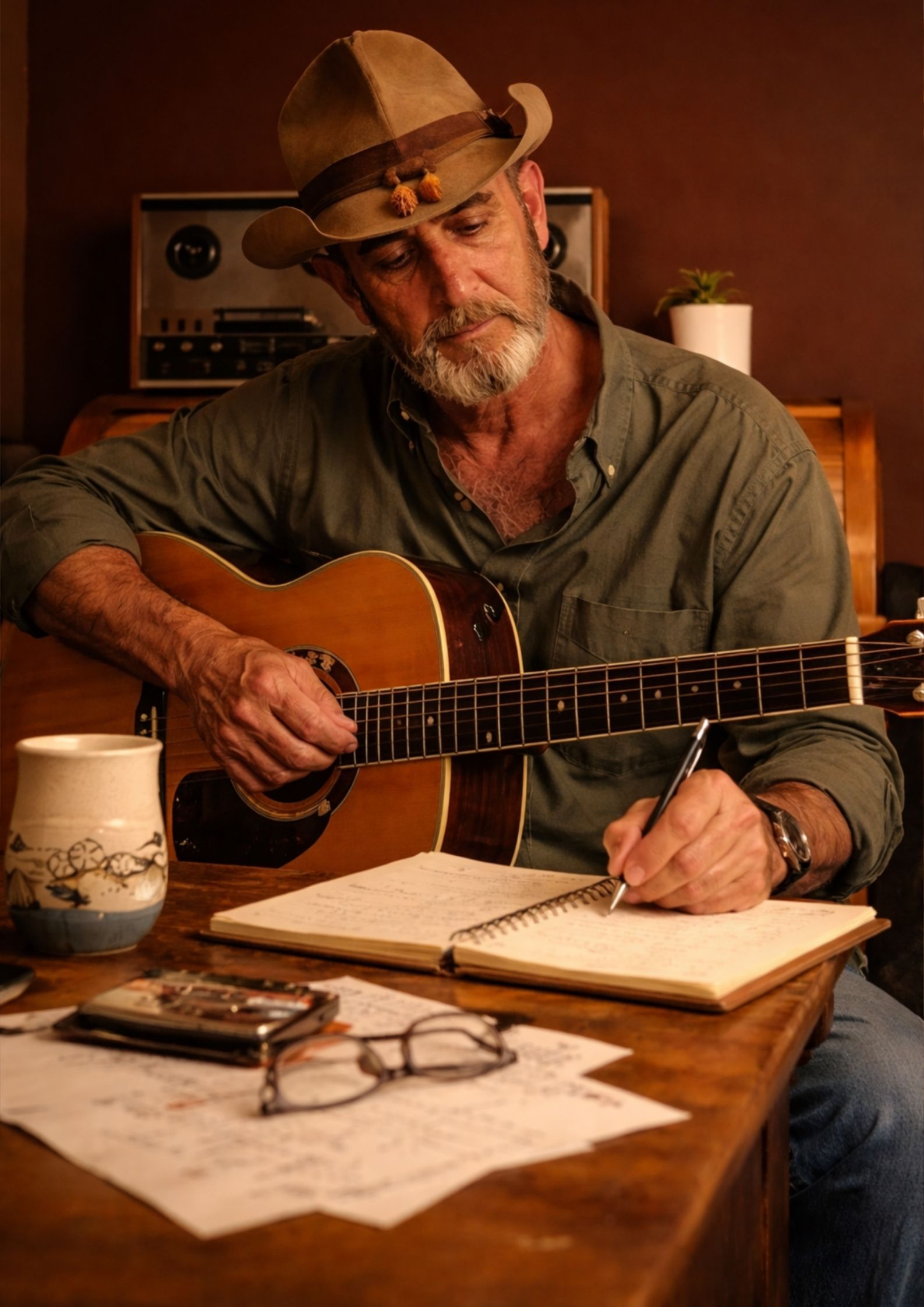
At first glance, nothing about a Don Williams performance looked extraordinary. There were no flashing lights chasing attention. No dramatic gestures designed to stir excitement. No restless pacing across the stage to fill the silence. He would stand there—hat slightly lowered, guitar in hand, eyes often half-closed—as if he were singing not to a crowd, but to something quieter within himself.
And that was precisely the point.
Because what Don Williams understood—perhaps better than most—was that music does not always need to be pushed outward to be felt deeply. Sometimes, it needs to be allowed to settle.
And when it did, something remarkable happened.
The room grew still.
This is not the kind of silence that comes from boredom or distraction. It is the kind that arrives when people sense that something honest is taking place. The kind that asks nothing, yet commands everything. Audience members did not fall quiet because they were instructed to. They fell quiet because his voice made noise feel unnecessary.

That is a rare kind of power.
In an industry built on spectacle, Don Williams chose restraint. Where others filled space with movement, he allowed space to remain. Where others raised their voices, he trusted his to remain steady. And in doing so, he created an atmosphere that felt less like a performance and more like a shared moment of understanding.
There was no urgency in his delivery. No need to prove himself. The songs arrived with patience, each one unfolding exactly as it was meant to, without embellishment or excess. It was as if he trusted the music to do its work—and that trust invited the audience to do the same.
For many listeners, especially those who have lived long enough to recognize the difference between noise and meaning, that approach felt deeply familiar. Life, after all, has a way of teaching us that the loudest moments are not always the most important ones. Often, it is the quiet, steady presence—the voice that does not rush, the words that do not strain—that stays with us longest.
Don Williams brought that understanding to the stage.

They called him the Gentle Giant, and the name fit not only his physical presence but his artistic one. There was strength in his stillness, but it was never used to dominate. There was authority in his voice, but it never demanded attention. Instead, it invited it—softly, consistently, without ever needing to reach.
And perhaps that is why his music traveled so far.
Seventeen number-one songs is not simply a measure of popularity. It is a reflection of trust. It means that, time and again, listeners returned to something they recognized as genuine. In a world where trends come and go, that kind of connection does not happen by accident. It is built slowly, through consistency, humility, and a refusal to chase what does not feel true.
Don Williams never chased.
He stood.
He sang.
And somehow, that was enough.
But it was more than enough.
Because in that stillness, he gave people something they did not always know they needed. A moment to pause. A moment to listen—not just to the music, but to themselves. His performances did not overwhelm the senses; they clarified them. They created space in a world that often feels too full.
And in that space, something lasting could take root.
Long after the lights dimmed and the applause faded, what remained was not the memory of a grand gesture or a dazzling display. It was the feeling. The quiet. The sense that, for a few minutes, everything unnecessary had fallen away.
That is the legacy of Don Williams.
Not that he filled the room with sound.
But that he knew how to let silence speak.
So what lasts longer—a voice that fills the room, or one that makes the whole room fall silent?
For those who stood in those audiences, who felt that stillness settle over them like something almost sacred, the answer has never been in doubt.
The loudest voices may be remembered.
But the quietest ones… are the ones we carry with us.